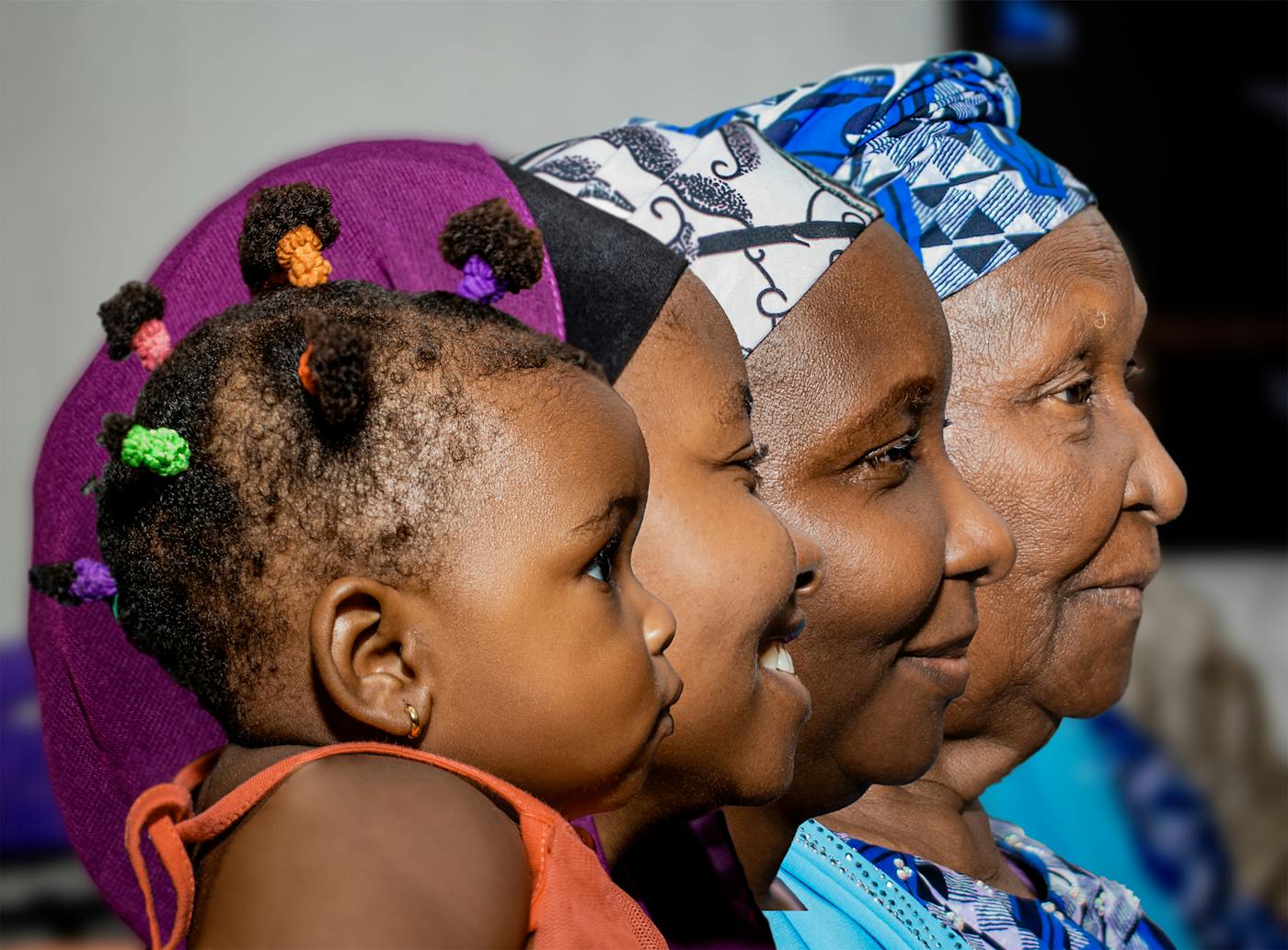
The Problem We Kept Seeing
Gender-based violence in Kenya is not one kind of harm. It includes femicide, intimate partner violence, rape, sexual assault, sexual harassment, child sexual abuse, online abuse, coercion, threats, economic control, harmful practices, and the quiet forms of violence that are often hidden inside homes, workplaces, schools, faith spaces, transport routes, and community life.
The public evidence is difficult to ignore. Amnesty Kenya has pointed to physical and sexual violence affecting large numbers of women and men, femicide increasing sharply between 2022 and 2024, and GBV costing Kenya billions of shillings each year through health, legal, and productivity losses. UNESCO has echoed the alarm around the rise of GBV and femicide, while Amnesty has warned that cases continue to be underreported, mishandled, or informally settled before survivors can get justice.
The harm is also intensified by crisis. The New Humanitarian's reporting from Nairobi's informal settlements after floods showed how displacement, lost income, unsafe shelter, stretched clinics, and weak police response can leave women and girls with nowhere safe to go. AVPA's reporting on Kenya's GBV helpline data also shows the pressure on national response systems, especially for girls, women, and children.
Children need the same urgency. Kenya's Department of Children Services describes violence against children as physical, emotional, sexual, negligent, exploitative, and harmful cultural abuse, and reports high childhood exposure to violence. Out of the Shadows recognizes Kenya as a regional leader on child and teen protection, but still points to gaps around child sexual abuse, online sexual violence, intrafamilial abuse, and sustained survivor-informed policy.
A single case can pass through a police post, an NGO, a clinic, a counselor, a shelter, a children's officer, a legal aid desk, and a court. At almost every handoff, context is lost. Survivors end up retelling the worst moments of their lives, over and over, to systems that aren't talking to each other.
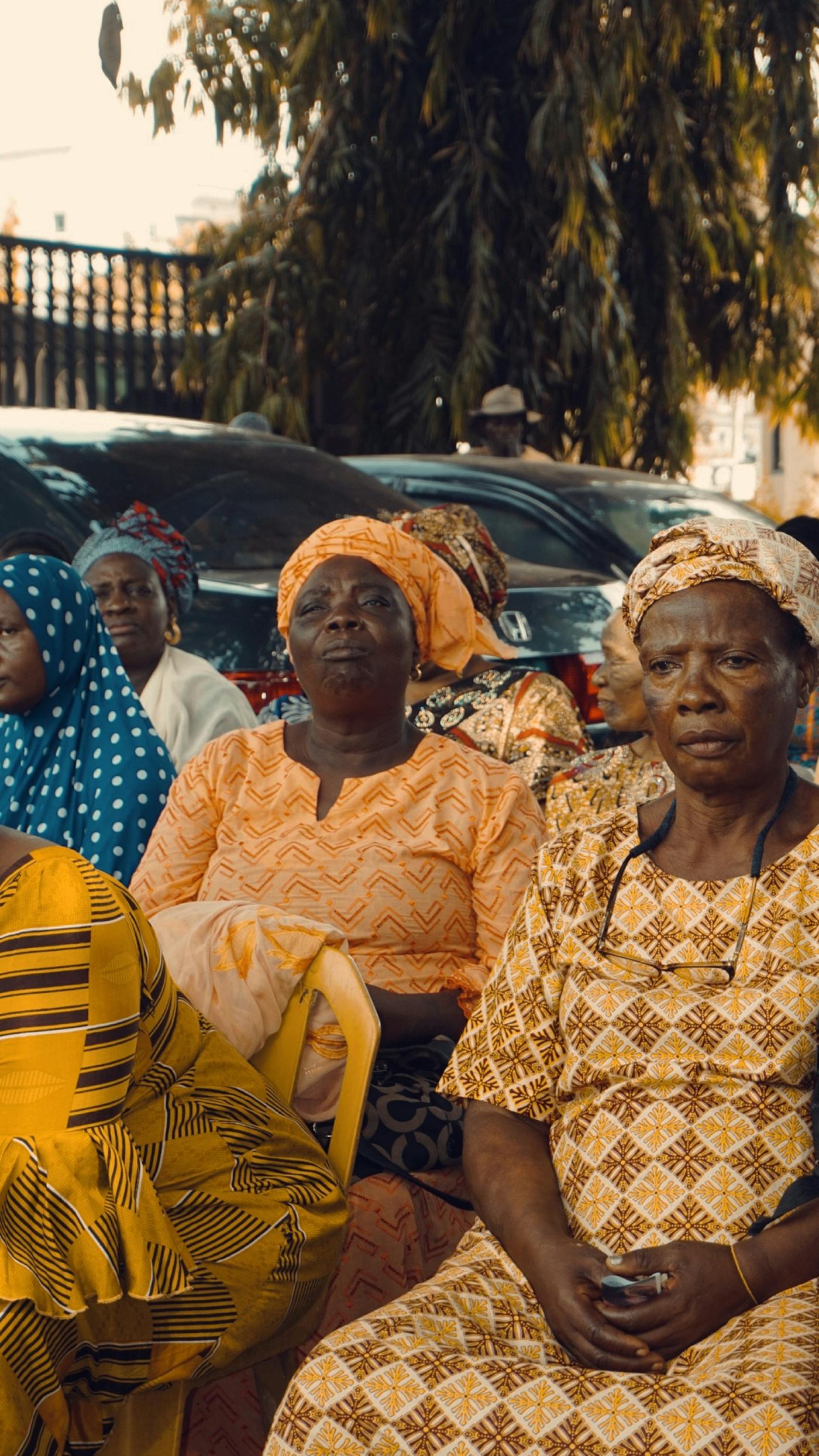
Our approach
One Case, One Journey, No Lost Context
Usalama Voice keeps the whole journey connected, from the first emergency alert through reporting, referral, care, legal action, child protection follow-up, shelter coordination, and long-term recovery. Eight roles each get a focused view of the same case, and can hand work to the next without dropping the thread.
Who's Behind It
Usalama Voice has been designed, built, and maintained by Eddie Ezekiel Ochieng, a Nairobi-based software developer. I have built practical products like Duka Manager, Keja Connect, and Kamusi Yetu, a community-driven dictionary for Kenya's 40+ languages.
The numbers around GBV, femicide, and violence against children in Kenya are too heavy to read and then move on from. Usalama Voice is my attempt to turn software skills into something useful for survivor safety, trusted reporting, careful referrals, responsible data handling, and response workflows that do not make people repeat their pain from office to office just to be believed.